Lifestyle Medicine
Welcome to Lifestyle Medicine Section
Helping you to live healthier happier and longer life
The Longevity Blueprint: How Lifestyle Medicine adds “Years to Your Life and Life to your Years”.
Living longer is no longer the ultimate goal — living better is. Lifestyle medicine, a field rooted in scientific evidence, focuses on sustainable everyday habits that prevent disease, reverse metabolic dysfunction, and extend your healthspan, not just your lifespan. Research continues to show that the choices we make daily can powerfully reshape our aging trajectory.
The Science Behind Longevity
Large epidemiological studies demonstrate a strong link between modifiable lifestyle factors and longer life. High blood pressure, type 2 diabetes, elevated BMI, smoking, and cholesterol abnormalities significantly decrease the likelihood of reaching advanced age, while protective factors — such as healthy lipid profiles and years of education — enhance longevity. These findings emphasize that aging is not just genetic fate but a dynamic process influenced by behavior.
Food as Medicine: Eating for a Longer Life
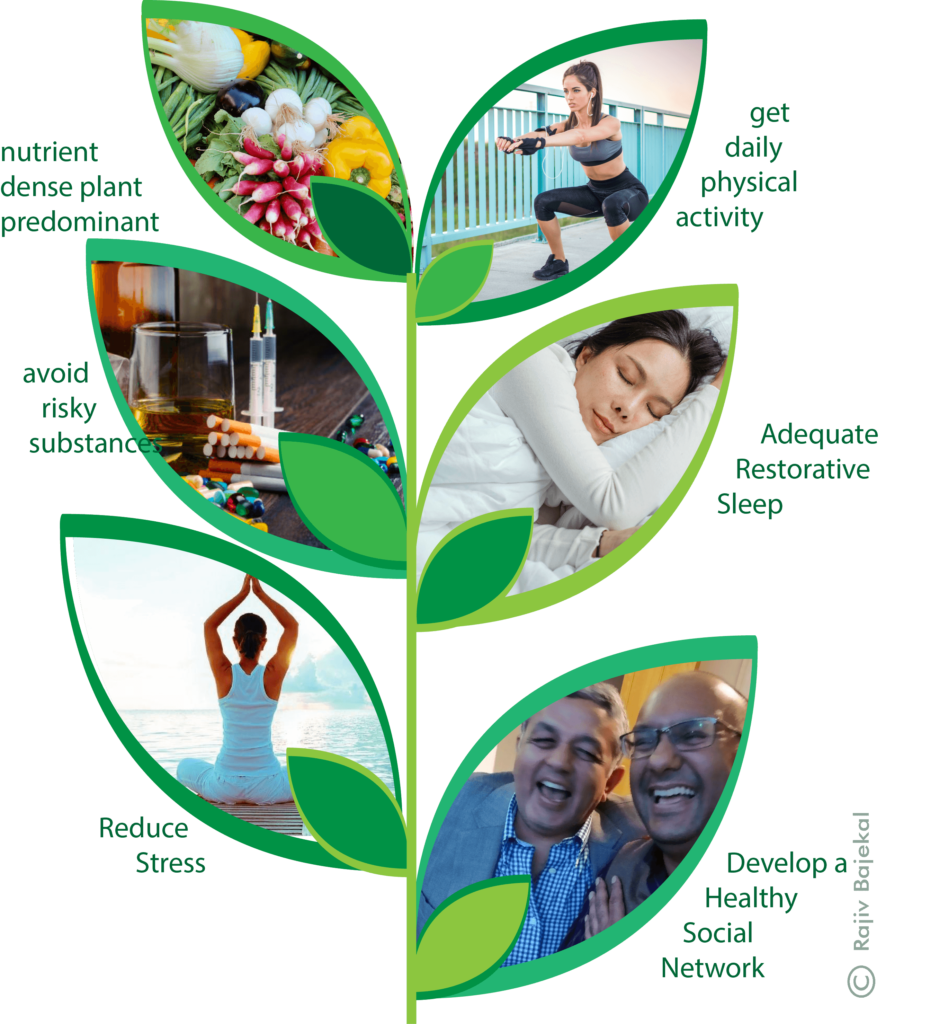
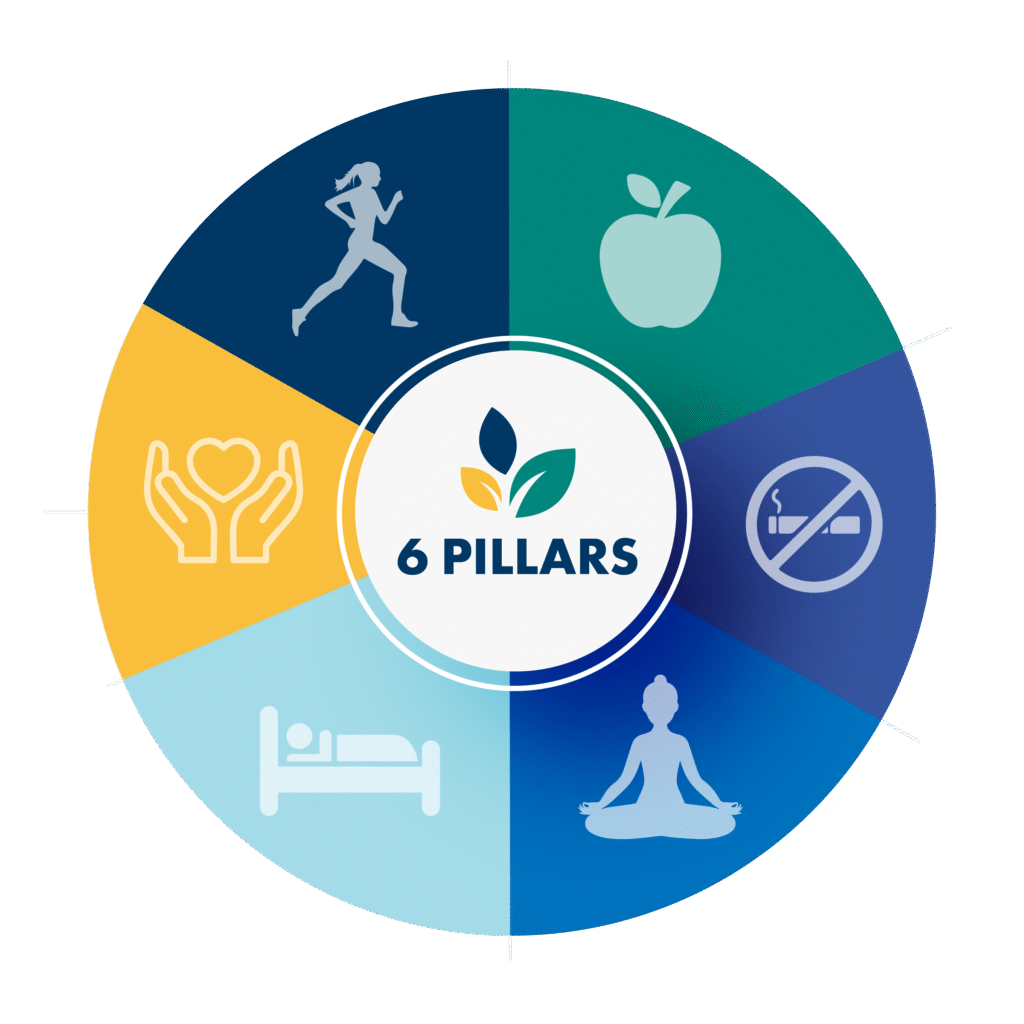
Nutrition is one of the most potent longevity levers. Diets rich in minimally processed foods — fruits, vegetables, legumes, whole grains, lean proteins, and healthy fats — reduce inflammation and support metabolic balance. The Mediterranean diet has been extensively associated with lower cardiovascular risk, improved cognitive health, and reduced mortality. It prioritizes olive oil, fish, greens, nuts, and moderate whole grains, all of which nourish the body at the cellular level.
Move More, Age Better
Physical activity is another powerful longevity tool. Aerobic exercise improves cardiovascular function and mitochondrial efficiency, while strength training preserves muscle mass — a crucial predictor of long-term independence. Just 150 minutes of moderate exercise per week can significantly lower all-cause mortality risk. Movement is medicine, and consistency beats intensity.
Sleep & Stress: The Invisible Drivers of Aging
Sleep deprivation and chronic stress accelerate inflammation, impair metabolism, and increase the risk of chronic disease. Aim for 7–8 hours of quality sleep and incorporate stress-reduction techniques such as mindfulness, breathwork, or time in nature. These practices regulate cortisol, improve emotional well-being, and support long-term brain health.
Connection, Purpose, and Mental Well-Being
Social connection and a sense of purpose are scientifically recognized longevity factors. People with strong relationships and meaningful daily activities exhibit lower rates of depression, cardiovascular disease, and early mortality. Healthy aging is as much emotional as it is physical.
Compressing Morbidity: The Ultimate Goal
Lifestyle medicine aims not only to extend life but to compress morbidity — shortening the time spent with chronic illness. This means living more years with vitality, mobility, clarity, and independence.